Free Shibuya-kei Music Generator Powered by AI
Turn text into high-quality Shibuya-kei music effortlessly – no login required!

music.toolTips
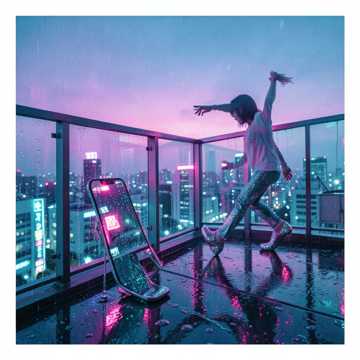
Diamond Dust Dub
A luminous chill-pop track blending Russian, English, and Japanese lyrics over airy verses, bouncy choruses, and Shibuya-kei-inspired future-bass grooves, capturing intimate urban nights and playful, dreamy romance.
03:50
14 hours ago
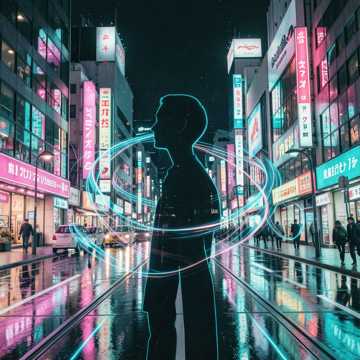
Battery Bye-Bye
Лирика о легкой грусти и прощании в городских огнях, с теплыми lo-fi басами и игривым Shibuya-kei звучанием, создавая интимную и сияющую атмосферу.
03:06
14 hours ago

Офисный Овертайм
Меланхоличная и одновременно бодрая композиция о ночных рабочих часах, мечтах и внутреннем ритме, где переплетаются русский, японский и английский языки на фоне футуристических синтезаторов и мягких гитарных лупов.
03:25
15 hours ago
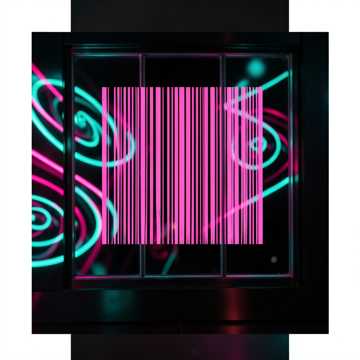
前髪バーコード
規則正しい前髪に隠された微妙な感情を描くShibuya-keiテクノポップ。読み取れない心の動きを、軽やかで遊び心のあるサウンドで表現。
03:13
1 days ago
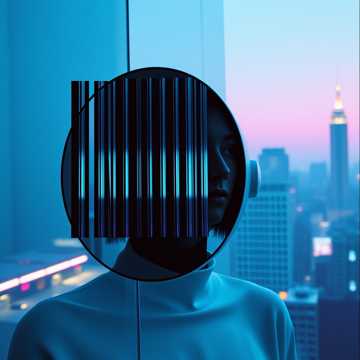
前髪バーコード
『前髪バーコード』は、さりげない日常の美しさと距離感の恋心を描くShibuya-keiエレクトロポップ。細やかなリズムと煌めくシンセが、微妙な感情の揺れを鮮やかに表現します。
03:43
1 days ago
Lipstick Lies
'Lipstick Lies' blends lo-fi indie pop and future bass, painting a story of fleeting romance, subtle deceit, and urban nightscapes, carried by dreamy vocals, jazzy grooves, and retro-cinematic textures.
03:35
1 days ago

Budget Bye Bye
A whimsical indie-pop anthem celebrating carefree love and small joys despite financial limits, combining city-pop nostalgia with modern future-bass grooves and playful multilingual lyrics.
03:34
1 days ago

Neon Rift Heist
A high-energy instrumental journey merging rock, jazz fusion, and video game-inspired motifs, featuring playful rhythms, slick synths, and cinematic flair that evoke a daring, neon-lit heist.
05:54
1 days ago
Pocari Loop
A dreamy, bilingual lo-fi indie pop track blending Shibuya-kei charm with future-bass rhythms, exploring playful romance, fleeting city moments, and the warm, pulsing heartbeat of connection.
03:05
2 days ago

Shibuya Cache
Яркая инди-поп композиция о цифровой романтике и Tokyo vibes, где смешиваются японский и русский языки, glitch-эффекты и мечтательные мелодии future bass с lo-fi акцентами.
03:04
2 days ago

Moonlight Mocktail
A dreamy, bilingual indie pop track where moonlit introspection meets smooth grooves, playful vocals, and intimate late-night energy.
02:45
2 days ago
Moonwalker Shibuya
A dreamy, neon-lit journey through Shibuya, where indie pop grooves meet future bass and lo-fi textures, capturing intimacy, playful romance, and urban night wanderings.
03:10
3 days ago

Martini Mixer
A multilingual indie-pop/future bass track capturing late-night flirtation, playful intimacy, and rhythmic movement, with glossy synths, catchy vocal hooks, and dynamic melodic layers creating a lively, immersive party atmosphere.
03:20
3 days ago
Moon Manicure
A shimmering, lo-fi indie pop anthem with funky, futuristic vibes. 'Moon Manicure' blends Shibuya-kei sparkle with intimate, groovy beats and autotuned vocals, capturing a dreamy, romantic journey through a moonlit night.
03:16
4 days ago

Moon Marble
A dreamy indie pop journey capturing intimate urban nights, playful romance, and wistful escapism, blending Russian, English, and Japanese lyrics over chill lo-fi, funk, and synthwave textures.
03:18
4 days ago
Moon Memory
A lo-fi indie pop journey, 'Moon Memory' blends dreamy vocals, jazzy beats, and shimmering synths with a touch of anime-inspired sparkle. The song evokes emotions of nostalgia, love, and longing in a unique mix of Russian, Japanese, and English.
03:33
5 days ago
Shibuya Moon Walk
A dreamy, nostalgic blend of Tokyo nights and fleeting romance, merging lo-fi beats, jazzy chords, and whispered vocals for a cinematic, intimate indie-pop experience.
03:30
5 days ago
Луна над Сибуем
Мягкий свет луны, городские огни и эмоции ночного Shibuya переплетаются в dreamlike indie-pop треке с меланхоличной и уютной атмосферой.
03:15
6 days ago

Where Did My Colors Go?
A soulful Shibuya-kei song that delves into themes of lost colors, fading dreams, and the search for light and renewal. The lyrics weave a journey through emotional introspection, blending soft melodies and evocative imagery.
04:00
2024-11-10
Where Did My Colors Go?
A melancholic yet hopeful song exploring the loss of color in life, symbolizing the search for emotional vibrancy through the fusion of poetic lyrics and a Shibuya-kei musical backdrop.
04:00
2024-11-10
Introduction to Shibuya-kei: Definition and History
Shibuya-kei is a subgenre of pop music that emerged in Japan during the early 1990s. It originated in the Shibuya district of Tokyo, a hub of youth culture and fashion. Shibuya-kei is characterized by its eclectic mix of musical influences, blending elements of jazz, pop, lounge music, bossa nova, and electronic music, often with a retro and sophisticated feel. The genre was heavily influenced by Western music, particularly the sounds of the 1960s and 1970s, but reinterpreted through a distinctly Japanese lens. Shibuya-kei artists are known for their extensive use of sampling, layering, and collage techniques, creating a rich, textured sound that is both nostalgic and forward-thinking. The movement not only influenced music but also impacted fashion, design, and art, making it a cultural phenomenon in Japan and beyond.
Sub-tags and Classifications within Shibuya-kei
Neo-Shibuya-kei
Neo-Shibuya-kei is a modern evolution of the original Shibuya-kei sound, emerging in the late 2000s. It maintains the eclectic and sophisticated style of its predecessor but incorporates more contemporary elements, such as indie pop, electronic music, and even hip-hop. This sub-tag represents the younger generation of artists who have been inspired by the original Shibuya-kei movement but seek to bring it into the present day with new influences and production techniques.
Future Funk
Future Funk is a subgenre closely related to Shibuya-kei, known for its upbeat tempo, heavy use of samples from disco, funk, and Japanese city pop, and a distinct nostalgic feel. Although it emerged independently, Future Funk shares Shibuya-kei's penchant for blending retro sounds with modern production, making it a fitting sub-tag for those exploring the broader Shibuya-kei landscape.
Shibuya-kei Pop
Shibuya-kei Pop focuses more on the accessible, pop-oriented side of the genre. Artists under this classification often emphasize catchy melodies, smooth vocals, and a polished production style. This sub-tag is perfect for listeners who appreciate the melodic and harmonious aspects of Shibuya-kei without delving too deeply into its more experimental or eclectic influences.
Famous Artists and Works of Shibuya-kei
Pizzicato Five
Pizzicato Five is one of the most iconic bands associated with Shibuya-kei. Formed in the mid-1980s, the group is known for its innovative blend of 1960s pop culture references, lounge music, and modern dance beats. Their hit song 'Sweet Soul Revue' is a quintessential example of the Shibuya-kei sound, characterized by its catchy melodies, stylish production, and playful lyrics. Pizzicato Five's influence extends beyond music into fashion and design, making them pioneers of the Shibuya-kei movement.
Sweet Soul Revue - Pizzicato Five
Released in 1993, 'Sweet Soul Revue' is a defining track of the Shibuya-kei genre. The song features a vibrant mix of soul, pop, and dance music, characterized by its infectious melody, lively horns, and playful lyrics. The production is slick and polished, reflecting the cosmopolitan and stylish image of Shibuya-kei. 'Sweet Soul Revue' not only became a hit in Japan but also helped to establish Shibuya-kei as a significant cultural movement during the 1990s.
Cornelius
Cornelius, the stage name of Keigo Oyamada, is a pivotal figure in Shibuya-kei. Known for his experimental approach to music, Cornelius's work is a kaleidoscopic mix of rock, pop, electronic, and ambient music, often layered with complex soundscapes and intricate arrangements. His 1997 album 'Fantasma' is a landmark in the genre, showcasing his ability to blend diverse influences into a cohesive and innovative sound that has inspired countless artists within and outside of Japan.
Fantasma - Cornelius
Cornelius's 1997 album 'Fantasma' is often hailed as a masterpiece of Shibuya-kei, representing the genre's experimental and eclectic nature. The album is a sonic collage, incorporating elements of rock, pop, electronic, and ambient music, all woven together with a sense of whimsy and innovation. Tracks like 'Star Fruits Surf Rider' and 'Count Five or Six' exemplify Cornelius's ability to blend diverse sounds into a cohesive and unique auditory experience. 'Fantasma' has had a lasting impact on the genre and continues to influence artists worldwide.
Towa Tei
Towa Tei is a Japanese DJ and record producer who gained fame as a member of the group Deee-Lite before establishing a successful solo career within the Shibuya-kei scene. His music combines house, techno, bossa nova, and jazz, infused with a distinctly playful and quirky style. Towa Tei's 1994 solo debut album 'Future Listening!' is considered a classic of the Shibuya-kei genre, blending electronic music with lounge and jazz elements to create a sound that is both sophisticated and accessible.
Future Listening! - Towa Tei
Towa Tei's debut solo album 'Future Listening!' released in 1994, is a cornerstone of Shibuya-kei, blending house music with jazz, bossa nova, and lounge influences. The album is notable for its smooth, sophisticated production, playful rhythms, and global influences, making it a standout work within the genre. Tracks like 'Technova' and 'Batucada' highlight Towa Tei's skill in creating music that is both danceable and intellectually engaging, cementing his place as a key figure in the Shibuya-kei movement.
Application Scenarios for Shibuya-kei Music
Shibuya-kei music's eclectic and sophisticated sound makes it an ideal choice for movie soundtracks, particularly in films that aim to evoke a retro, stylish, or cosmopolitan atmosphere. The genre's blend of jazz, pop, and electronic elements can enhance scenes set in urban environments or those requiring a sense of nostalgia and cultural fusion.
Movie Soundtracks
The catchy melodies and polished production of Shibuya-kei make it a popular choice for advertising music. Brands seeking to project a trendy, fashionable, or avant-garde image often use Shibuya-kei tracks in their commercials to connect with younger, style-conscious audiences. The genre's association with the Shibuya district of Tokyo also adds an element of cool, urban sophistication to advertisements.
Advertising Music
Shibuya-kei's upbeat and diverse sound palette is well-suited for use in video games, particularly those set in urban or modern settings. The genre's ability to mix retro and contemporary influences creates a dynamic and engaging background music that can enhance the gaming experience, adding both energy and atmosphere to the gameplay.
Game Background Music