Free Shakuhachi Music Generator Powered by AI
Turn text into high-quality Shakuhachi music effortlessly – no login required!

music.toolTips
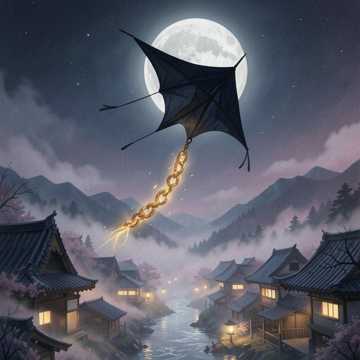
Rasengan
『Rasengan』は、孤独と偏見の中で育った主人公が、仲間との絆を通じて自らの力と存在価値を見出し、苦しみを成長へ変えていく英雄譚を描く壮大な楽曲である。
05:25
3 hours ago

Orbe Tourbillonnant
Cette chanson retrace le parcours d'un enfant rejeté qui transforme sa douleur en force. Grâce à l'amitié, à l'acceptation de soi et à la persévérance, il dépasse les blessures du passé pour écrire son propre destin et rayonner pleinement.
03:53
3 hours ago

Desert Pulse
An expansive instrumental EDM journey that merges Eastern-inspired flute melodies, tribal rhythms, and powerful festival-scale electronic production. Atmospheric textures evolve into euphoric drops, creating a spiritual, cinematic, and immersive listening experience.
04:18
16 hours ago
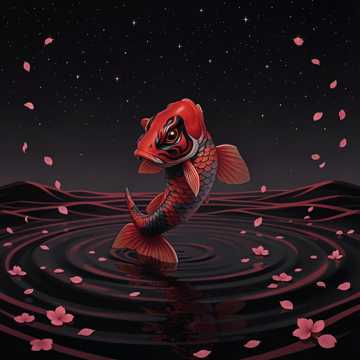
万面舞曲 (Manmen Bukyoku)
仮面を被った鯉と歪む水面を象徴に、真実の顔と虚構の境界を問いかける幻想的な和風楽曲。妖怪的な世界観と能楽的演出が交錯し、人生そのものを舞台として描いている。
03:52
Invalid date
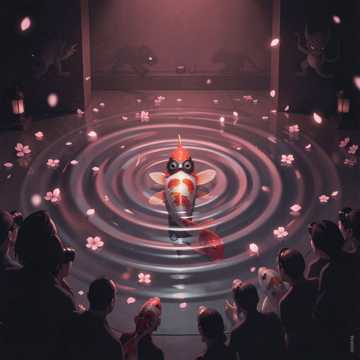
万面舞曲 (Manmen Bukyoku)
仮面を被った鯉と幻想世界を通じて、人間が抱える多面性や自己欺瞞を描く和風幻想曲。伝統和楽器と妖しく荘厳な旋律が、現実と虚構の境界が崩れる舞台を鮮烈に演出する。
04:06
Invalid date
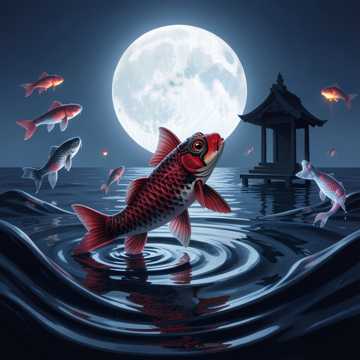
万面舞曲 (Manmen Bukyoku)
仮面を纏った鯉を象徴に、人間の多面性と真実の喪失を描く幻想和風楽曲。水面、幻術、演劇的世界観を通じて、現実と虚構が溶け合う妖艶で哲学的な物語を表現している。
04:00
Invalid date

万面舞曲 (Manmen Bukyoku)
『万面舞曲』は、仮面を纏った鯉や歪む水鏡を象徴に、人間の多面性と虚構の世界を描く幻想的な和風楽曲。伝統和楽器と神秘的な旋律が、能や狂言を思わせる壮大な舞台劇を演出している。
04:36
Invalid date

A Soldiers Life
A reflective ballad following a retired soldier who leaves war behind to embrace family, grows old surrounded by love, and passes peacefully. His legacy of strength, humility, and devotion lives on through the memories and lessons he shared.
04:54
1 days ago

Kurogane Tengu
An epic Japanese-inspired instrumental that blends traditional instruments with cinematic orchestration. Driven by thunderous taiko drums, soaring pentatonic melodies, and dramatic pauses, it evokes a mythical ceremonial procession filled with tension, grandeur, and supernatural energy.
04:46
2 days ago

悟り、牢獄の中庭にて (Satori im Gefängnishof)
知識と悟りの違いを主題に、牢獄を象徴とした内面的束縛からの解放を描く精神的叙事詩。学識からグノーシスへ、執着から自由へと至る覚醒の過程が、東洋思想と神秘主義を交えて表現される。
05:27
2 days ago

仮面舞 (Kamenmai)
仮面と水面を舞台に、真実と虚構が溶け合う幽玄な和風叙事詩。仮面の鯉や妖のイメージが交錯し、能楽と和楽器が織りなす幻想的な劇場音楽。
04:10
Invalid date

仮面舞 (Kamenmai)
仮面舞 (Kamenmai) は、仮面と真実、悲劇と喜劇の境界を描く妖幻的な和風楽曲。能楽や江戸の怪異を思わせる世界観の中で、自己の本質を問いかける壮大な舞台劇。
03:46
Invalid date

仮面舞 (Kamenmai)
『仮面舞 (Kamenmai)』は、仮面を纏った鯉と幻想的な舞台を通して、真実の自己と虚構の境界を描く和風劇場作品。能や狂言を想起させる演出と妖怪的世界観が、狂気と美しさの入り混じる壮大な物語を紡ぐ。
04:20
Invalid date

仮面舞 (Kamenmai)
仮面を纏った鯉と幻想世界を舞台に、現実と虚構、狂気と遊戯、真実の顔を巡る心理劇を描く和風ダークファンタジー。伝統和楽器と現代的サウンドが融合した劇場的な作品。
03:47
Invalid date
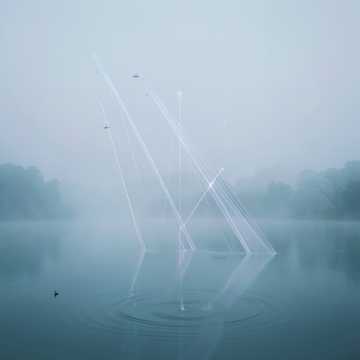
Mizu No Yume
A tranquil Japanese ambient instrumental that unfolds like a quiet dream, blending koto, piano, shakuhachi-like accents, airy strings, and subtle atmospheric textures into a spacious, meditative soundscape before fading into a peaceful, floating conclusion.
04:50
2 days ago
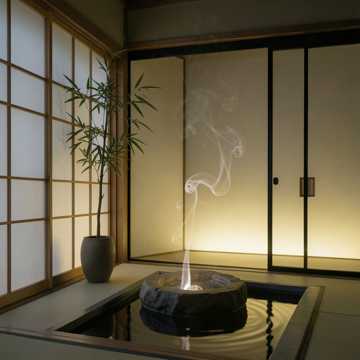
Samurai 26
A contemplative Japanese-inspired ambient composition that evokes the quiet spirit of a samurai reflecting on honor, loss, and impermanence. Through minimalist melodies, traditional instruments, and spacious silences, it guides listeners toward meditation, remembrance, and inner tranquility.
04:50
4 days ago
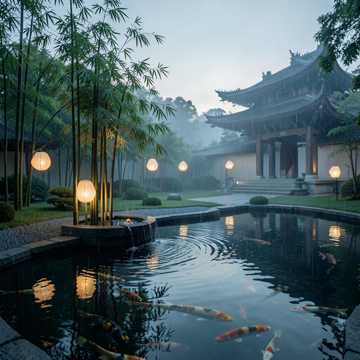
Samurai 24
A contemplative Japanese ambient composition that evokes the quiet spirit of a samurai reflecting on honor, loss, and inner peace. Through minimalist textures, traditional instruments, and spacious silence, it invites meditation, remembrance, and emotional tranquility.
03:43
4 days ago
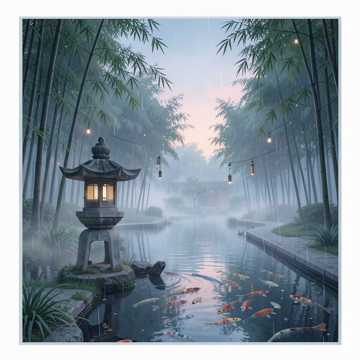
Samurai 22
An intimate instrumental meditation inspired by the spirit of the samurai, balancing melancholy and serenity through minimalist Japanese textures that evoke remembrance, renunciation, and inner peace.
04:00
4 days ago
Samurai 20
Samurai es una composición ambiental cinematográfica japonesa que explora el honor, la memoria y la impermanencia. A través de texturas minimalistas, instrumentos tradicionales y una atmósfera serena, invita a la reflexión profunda, la meditación y la búsqueda de la paz interior.
04:00
4 days ago
Edo Courtyard
A lively instrumental journey inspired by traditional Japanese folk music. Shamisen leads the narrative, joined by shakuhachi, koto, and taiko rhythms, creating an intimate yet energetic soundscape that evokes the charm, ceremony, and movement of an Edo-period courtyard.
02:35
Invalid date
Introduction to Shakuhachi: A Traditional Japanese Bamboo Flute
The Shakuhachi is a traditional Japanese bamboo flute that has been played for centuries. It is characterized by its unique, breathy sound and is traditionally made from the root end of a bamboo stalk. The name 'Shakuhachi' comes from its length, approximately 1.8 feet (54.5 cm), with 'shaku' meaning foot and 'hachi' meaning eight. The instrument has its origins in ancient China but was brought to Japan around the 7th century. Over time, the Shakuhachi evolved in Japan, becoming an essential instrument in the practice of Zen Buddhism. It was used by the Komusō monks of the Fuke sect as a tool for meditation and was associated with the concept of 'blowing Zen' or 'Suizen.' The Shakuhachi experienced a revival in the Edo period and became integrated into classical Japanese music, such as the Sankyoku ensemble.
Sub-tags and Classifications of Shakuhachi Music
Honkyoku
Honkyoku refers to the original pieces of music composed and played by the Komusō monks for meditation purposes. These compositions are typically slow and contemplative, emphasizing the spiritual and meditative aspects of Shakuhachi playing. Honkyoku is considered the most traditional form of Shakuhachi music.
Sankyoku
Sankyoku is a genre of traditional Japanese chamber music that typically involves a trio of instruments: the Koto, Shamisen, and Shakuhachi. In Sankyoku, the Shakuhachi often plays a melodic role, blending with the other instruments to create a harmonious and intricate sound.
Minyō
Minyō refers to Japanese folk music, in which the Shakuhachi is often used to accompany vocal performances. The instrument adds a distinctive, airy quality to the music, complementing the rustic and traditional feel of Minyō songs.
Modern Shakuhachi
Modern Shakuhachi encompasses contemporary compositions and performances that blend traditional techniques with modern musical styles. This includes collaborations with Western classical music, jazz, and experimental genres, expanding the versatility and global appeal of the Shakuhachi.
Famous Artists and Iconic Works in Shakuhachi Music
Watazumi Doso Roshi
Watazumi Doso Roshi was a highly influential Shakuhachi master known for his powerful and expressive playing. He emphasized the spiritual aspects of Shakuhachi music, viewing it as a path to enlightenment. His contributions to the Honkyoku repertoire and his teaching methods have left a lasting legacy in the world of Shakuhachi.
Shika no Tone
Shika no Tone, or 'The Distant Cry of the Deer,' is one of the most famous Honkyoku pieces. It is traditionally played as a duet and is characterized by its evocative and melancholic melodies, which are meant to mimic the calls of deer in the autumn. The piece exemplifies the meditative and expressive qualities of Shakuhachi music.
Kinko Kurosawa
Kinko Kurosawa was a prominent figure in the Edo period, credited with systematizing the Shakuhachi music tradition. He compiled and arranged many Honkyoku pieces, which are still studied and performed by Shakuhachi players today. His work laid the foundation for what is now known as the Kinko-ryū school of Shakuhachi.
Tsuru no Sugomori
Tsuru no Sugomori, or 'Nesting of Cranes,' is another iconic Honkyoku piece. This work depicts the life cycle of cranes through a series of intricate and delicate musical phrases. The piece showcases the Shakuhachi's ability to convey natural sounds and emotions, making it a masterpiece in the traditional repertoire.
Hozan Yamamoto
Hozan Yamamoto was a pioneering Shakuhachi artist who brought the instrument into the modern era. He was known for his versatility, performing not only traditional Japanese music but also jazz and contemporary compositions. His innovative approach helped popularize the Shakuhachi worldwide.
Haru no Umi
Haru no Umi, or 'The Sea in Spring,' is a famous modern piece composed by Michio Miyagi. The Shakuhachi and Koto are featured prominently, with the music evoking the gentle waves and peaceful atmosphere of the sea in springtime. This piece is a staple in the Sankyoku repertoire and demonstrates the Shakuhachi's ability to blend with other instruments in a modern context.
Application Scenarios for Shakuhachi Music
Shakuhachi music is often used in movie soundtracks to evoke a sense of tranquility, nostalgia, or mystery. Its distinctive sound can instantly transport listeners to a traditional Japanese setting, making it a popular choice for films depicting historical or cultural themes.
Movie Soundtracks
In advertising, the Shakuhachi is used to create a serene and elegant atmosphere, often in commercials that aim to convey a sense of tradition, craftsmanship, or luxury. The instrument's unique tonal qualities help to make advertisements memorable and impactful.
Advertising Music
The Shakuhachi is frequently featured in video game soundtracks, particularly in games set in Japan or those that incorporate elements of Japanese culture. Its sound adds authenticity and emotional depth to the gaming experience, enhancing the overall atmosphere.
Video Game Background Music