Free Medieval Music Generator Powered by AI
Turn text into high-quality Medieval music effortlessly – no login required!

music.toolTips
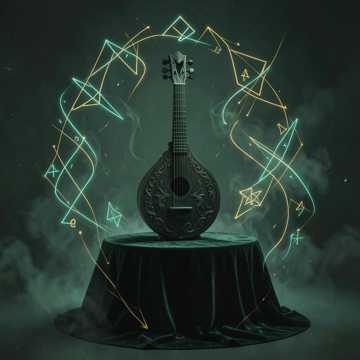
Lame du Vellon
Lame du Vellon est une composition instrumentale pour harpe aux accents sombres et inquiétants. Ses arpèges cycliques, ses glissandi discrets et ses cadences descendantes créent l'atmosphère d'un antagoniste de jeu de fantasy, intime, cinématographique et chargée de tension.
04:17
3 hours ago
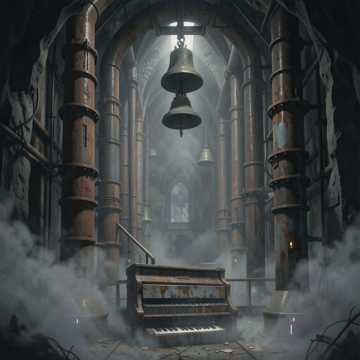
The Last Bell
An instrumental dark ambient journey where wordless Gregorian chants, towering pipe organ chords, deep drones, and distant bell tolls create a solemn, oppressive soundscape that evokes the final moments of a forgotten sanctuary.
02:00
3 hours ago
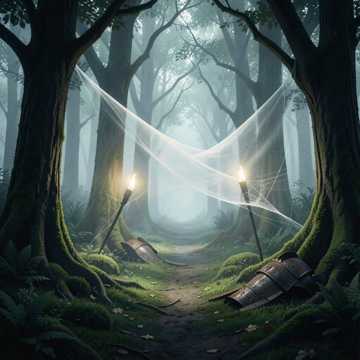
Quête 2 - L'Étreinte du Voile Blanc
Une pièce ambient médiévale obscure évoquant une quête périlleuse à travers une forêt maudite. Entre oppression, exploration et présages funestes, l'œuvre tisse une atmosphère immersive où l'aventure côtoie constamment le danger et l'inconnu.
04:24
4 hours ago
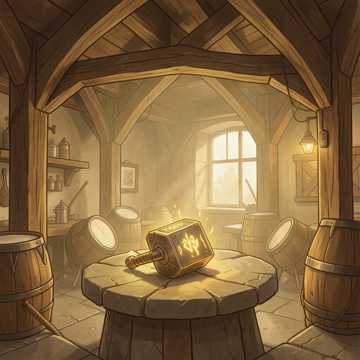
The bane of wolves
An energetic dwarven tavern and combat anthem celebrating brotherhood, courage, heavy ale, and fearless battles, delivering a festive yet warlike atmosphere inspired by classic fantasy traditions.
02:02
Invalid date
Quête 2 - L'Étreinte du Voile Blanc
Une pièce ambient médiévale ténébreuse évoquant une quête périlleuse à travers des forêts menaçantes. Entre exploration, oppression et mystère, l'œuvre déploie une atmosphère lourde où chaque pas semble rapprocher le voyageur d'un destin incertain.
04:35
4 hours ago
**Titel: A Plague Tale: Resonance – Zwischen Meer und Schatten**
Ein atmosphärisches Fantasy-Epos über Sophia, die zwischen Erinnerung, Verlust und Hoffnung ihren Weg sucht. Getragen von Meeresbildern, Schatten und innerer Stärke entfaltet sich eine emotionale Reise durch Vergangenheit und Schicksal, begleitet von einem Echo, das niemals vergeht.
04:53
6 hours ago

Serment de Léandre
Serment de Léandre est une pièce instrumentale cinématique évoquant un rituel médiéval sombre. Ses pulsations martiales, cordes tendues et paysages sonores profonds créent une ambiance de chevalerie, de sacrifice et de grandeur dramatique.
06:15
7 hours ago
Crown of Dawn
An instrumental anime symphonic pop anthem that fuses majestic orchestra, harpsichord, accordion, acoustic guitars, and modern electronic rhythms. Its intimate-to-epic progression creates a regal, cinematic atmosphere filled with wonder, warmth, triumph, and emotional resonance.
05:17
10 hours ago
The Crown of Glitch
A cinematic fantasy anthem that unites medieval royalty and futuristic glitch culture. Through orchestral grandeur, emotional choirs, trap rhythms, and anime-inspired energy, the song tells a story of leadership, resilience, and preserving a kingdom through chaos and transformation.
02:54
10 hours ago
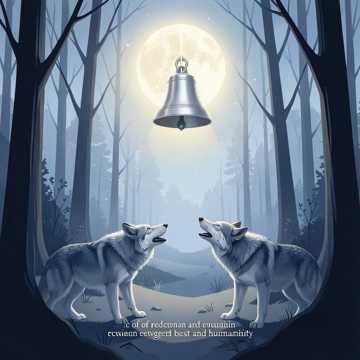
L’Appel des Ancêtres
Une fresque lyrique racontant la fin d’une ancienne malédiction de loups-garous. Entre guerre intérieure, deuil et rédemption, un héros surmonte son instinct bestial pour retrouver son humanité, tout en conservant la force et la mémoire de son héritage lupin.
05:03
13 hours ago

Gandalf 1
An instrumental fantasy orchestral piece portraying an ancient spiritual pilgrimage. Through warm strings, noble horns, flutes, and atmospheric textures, it evokes mythical landscapes, quiet courage, timeless wisdom, and a luminous journey filled with hope and reflection.
03:50
14 hours ago

skyrim - choir sad 2
An atmospheric choral piece inspired by fantasy landscapes and ancient legends. Layered voices, mournful harmonies, and expansive reverberation evoke feelings of solitude, loss, reverence, and wonder within a vast mythical world.
02:12
17 hours ago
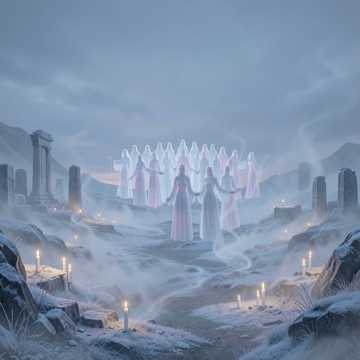
skyrim - choir sad
A slow, choir-only ambient composition evoking forgotten kingdoms, sacred ruins, and quiet grief. Layered vocal harmonies create an atmosphere of heartbreaking solitude, lost glory, and serene emotional depth without relying on instruments or lyrics.
02:08
17 hours ago
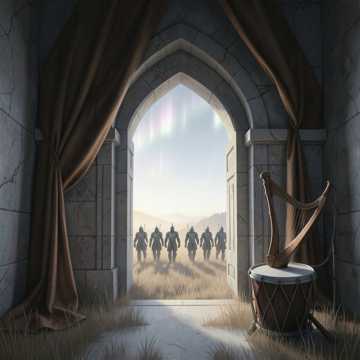
Linea Matutina
Carmen narrat milites fidei ad auroram congregatos, qui inter pericula et mortem constantiam servant. Cum precibus, fraternitate et fiducia divina, iter suum suscipiunt, credentes victoriam spiritualem in Deo manere.
04:15
20 hours ago
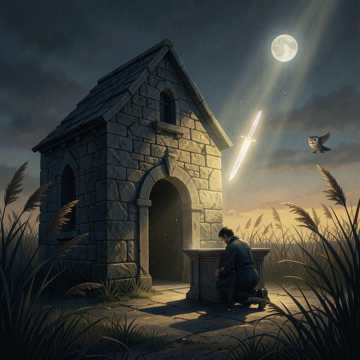
In Tabernaculo Afonso
Carmen narrat Afonso ante pugnam decisivam trepidantem, sed per visitationem mysticam confirmatum. Promissio divina victoriam, ortum Regni Portugalliae et futuram regiam dignitatem praedicit, dum fides super timorem triumphat.
05:39
1 days ago

Crown of Ashes
A grand instrumental epic that evokes a dark medieval battlefield, balancing tension and heroism through soaring violins, harp arpeggios, galloping rhythms, and cinematic orchestration. The music progresses from ominous anticipation to a triumphant and majestic climax.
04:25
1 days ago
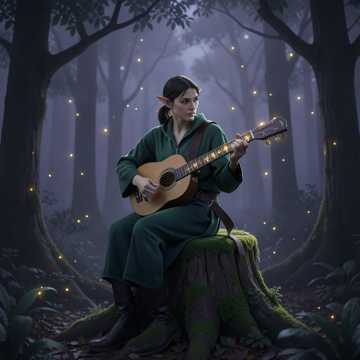
LA CHANSON DE CE QUI RESTE
Cette ballade raconte le voyage d'un barde elfique errant qui recueille et transmet les chants du passé. À travers les villages, les souvenirs et les légendes, il rappelle que les chansons appartiennent à tous et survivent aux générations grâce à ceux qui les reprennent.
03:44
1 days ago
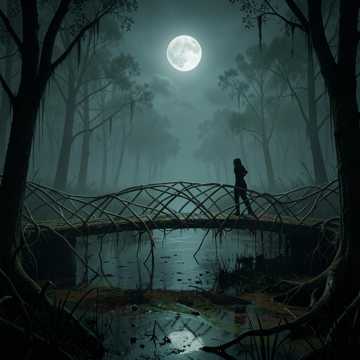
Sumpfzug
Ein Trupp von Helden zieht nach dem Sieg über einen uralten Feind in einen gefährlichen Sumpf. Zwischen Draugern, Schlundegeln und dunklen Mächten kämpfen sie entschlossen weiter und verwandeln Angst, Verlust und Zorn in gemeinsame Stärke.
03:13
1 days ago
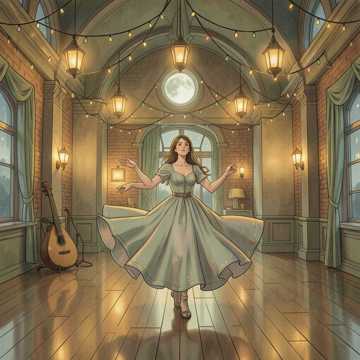
Lianore au bal
Une ballade dansante d’inspiration médiévale racontant une rencontre amoureuse lors d’un bal, entre désir, timidité et exaltation, portée par une ambiance festive et nostalgique.
03:20
1 days ago
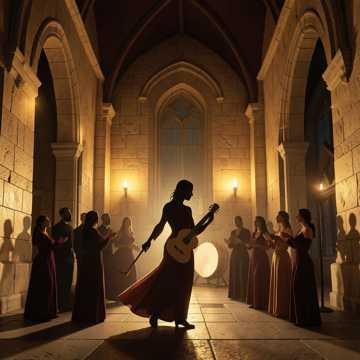
Lianore au bal
Cette chanson célèbre un amour sincère et intemporel à travers l'image d'un bal médiéval. Entre tendresse, ferveur romantique et joie collective, le narrateur invite Lianore à partager une danse symbolisant l'union, l'espoir et la promesse d'un amour durable.
03:45
1 days ago
Introduction to Medieval Music
Medieval music refers to the music of the Middle Ages, a period that spans from roughly the 5th to the 15th century. This genre of music emerged from the remnants of the Roman Empire and developed into a distinctive form that reflected the social, religious, and cultural transformations of Europe during that time. Medieval music can be broadly divided into two categories: sacred and secular. Sacred music was primarily connected to the church, including Gregorian chant and liturgical pieces, while secular music encompassed folk songs, ballads, and troubadour melodies. The development of notation systems, such as neumes, allowed for the preservation and dissemination of Medieval compositions, setting the foundation for Western music traditions.
Sub-tags and Classifications of Medieval Music
Gregorian Chant
Named after Pope Gregory I, Gregorian Chant is a form of plainchant used in the liturgical services of the Catholic Church. It is characterized by monophonic, unaccompanied vocal music with free-flowing, modal melodies. The chant's rhythm is non-metrical, designed to follow the natural inflections of the Latin text, enhancing the spiritual and meditative aspects of worship.
Troubadour Music
Troubadour music refers to the secular songs composed and performed by poet-musicians in the courts of Southern France, Northern Spain, and Italy during the 12th and 13th centuries. These songs often focused on themes of chivalry and courtly love, characterized by lyrical poetry and melodies. Troubadours played a significant role in shaping the tradition of lyrical composition and storytelling in Western music.
Organum
Organum represents one of the earliest forms of polyphony, where a plainchant melody is accompanied by one or more additional voice parts. Emerging in the 9th century, organum evolved from parallel movement to more complex forms, such as free and melismatic organum. This development marked a significant step towards the intricate polyphonic compositions of the later Medieval period.
Ars Nova
The Ars Nova ('New Art') movement of the 14th century introduced innovations in rhythmic notation, allowing for greater complexity and variation in musical compositions. This era saw the rise of isorhythmic motets and the use of syncopation, which laid the groundwork for the transition from Medieval to Renaissance music. Composers like Philippe de Vitry and Guillaume de Machaut were pioneers of this style, pushing the boundaries of musical form and expression.
Famous Artists and Classic Works in Medieval Music
Hildegard von Bingen
Hildegard von Bingen was a German Benedictine abbess, writer, and composer of the 12th century. She is renowned for her contributions to sacred music, particularly her collection of compositions known as 'Symphonia armoniae celestium revelationum.' Hildegard's works are characterized by soaring melodies and vivid texts, which often drew upon her mystical visions, blending religious devotion with musical innovation.
Messe de Nostre Dame by Guillaume de Machaut
This iconic work is one of the first known polyphonic settings of the complete Mass Ordinary. Composed in the mid-14th century, 'Messe de Nostre Dame' showcases Machaut's mastery of polyphony and rhythmic sophistication. The composition includes movements like the Kyrie and Gloria, characterized by their complex interweaving of vocal lines and innovative use of isorhythmic techniques, which were revolutionary for their time.
Guillaume de Machaut
A leading figure of the Ars Nova movement, Guillaume de Machaut was a French poet and composer of the 14th century. His most famous work, 'Messe de Nostre Dame,' is the earliest known complete setting of the Ordinary of the Mass by a single composer. Machaut's use of intricate polyphony and rhythmic complexity in both sacred and secular music significantly influenced the transition to Renaissance music.
Carmina Burana
Although not strictly a single work but a collection of 13th-century poems set to music, 'Carmina Burana' provides insight into the secular music of the Medieval period. These pieces, written by Goliards—students and clerics—cover topics ranging from satire to love. The vibrant melodies and rhythmic patterns in 'Carmina Burana' highlight the lively and sometimes irreverent spirit of Medieval secular music.
Perotin
Perotin was a prominent composer of the Notre Dame School of polyphony in the late 12th and early 13th centuries. He is known for his development of organum, particularly the composition of multi-voice pieces such as 'Viderunt omnes.' Perotin's works exemplify the early stages of polyphonic music, characterized by their harmonic complexity and structural clarity.
Viderunt omnes by Perotin
A seminal example of early polyphonic music, 'Viderunt omnes' by Perotin is a four-voice organum composed for the Feast of the Circumcision. This work demonstrates the complexity of Notre Dame polyphony, with its layered vocal lines and dynamic interplay of melodic motifs. Perotin's composition illustrates the evolution of Medieval music from monophonic chant to richly textured polyphonic structures.
Application Scenarios for Medieval Music
Medieval music is frequently used in historical and fantasy films to create an authentic atmosphere that transports audiences to the Middle Ages. Films like 'The Name of the Rose' and 'Kingdom of Heaven' utilize Gregorian chants and medieval instrumentals to enhance the storytelling, providing a sense of time and place that aligns with the narrative.
Movie Soundtracks
Many video games set in medieval or fantasy worlds, such as 'The Elder Scrolls' series or 'Assassin's Creed,' incorporate Medieval music into their soundtracks. This genre helps to immerse players in the game environment, evoking the sounds of ancient castles, bustling medieval markets, and epic battles, thus enriching the overall gaming experience.
Video Game Background Music
Medieval music plays a crucial role in themed events such as Renaissance fairs, historical reenactments, and medieval banquets. Performers use traditional instruments like the lute, harp, and hurdy-gurdy to recreate the soundscapes of the Middle Ages, providing an authentic auditory backdrop that enhances the atmosphere and educational value of these events.
Themed Events and Reenactments
The calming and spiritual nature of Gregorian chant and other forms of sacred Medieval music makes it suitable for use in therapeutic and meditation settings. These compositions, with their repetitive structures and soothing harmonies, are often employed to promote relaxation, reduce stress, and aid in mindfulness practices.
Therapeutic and Meditation Settings